WHAT WE TREAT
Postpartum depression is a depressive episode that can arise during pregnancy or in the weeks and months after birth. It is common, affecting somewhere in the region of one in seven to one in ten new mothers, and it can appear at any point in the first year, sometimes long after everyone has assumed the hardest early weeks are behind them.
It is what can happen when a woman is asked to give everything at the very moment she has least left to give, and when the feelings that arrive are not the ones she was promised. Beneath the exhaustion there is often grief for the life and the self that came before, a fear of not being enough, and a loneliness the presence of a baby does not touch.
Postpartum depression is distinct from the short-lived baby blues of the first fortnight. It is distinct again from the rarer postpartum psychosis, which is a medical emergency and which we are fully equipped to treat safely and around the clock.
Intrusive thoughts are a common symptom of postpartum depression, with many new parents experiencing sudden, unwanted images or thoughts of their baby coming to harm. These are a recognised and well-understood response of an exhausted, highly alert brain during an extraordinary period. They are not a sign of what a parent wants to or will do, and the distress they cause is itself a sign of how deeply the parent cares. Because these thoughts are so rarely spoken about, many women believe they are alone in having them, or fear that admitting to them will lead to judgement. So they carry it in silence, and silence makes everything worse.
Postpartum depression rarely stands alone. It commonly sits alongside or is mistaken for: postnatal OCD, birth-related trauma and post-traumatic stress, postpartum anxiety and panic, postpartum thyroid dysfunction, stress-hormone and adrenal dysregulation, and postpartum psychosis. Postpartum depression is highly treatable, and with the right combination of care a woman can recover fully.
Symptoms vary from woman to woman, but often include:
- Persistent low mood, tearfulness or a sense of emptiness.
- Loss of interest or pleasure in things once enjoyed.
- Guilt, shame, or the feeling of being a bad mother.
- Feeling distant from the baby, or struggling to bond.
- Thoughts of hopelessness, or that the family would be better off without her.
Additional symptoms include:
What are the psychological symptoms of postpartum depression?
- Anxiety, racing thoughts or panic.
- Frightening, intrusive thoughts, including fears of harm coming to the baby.
- Irritability or anger.
- Feeling constantly on edge, startled or unable to switch off focusing or slowed thinking.
- Difficulty concentrating or making decisions, often described as brain fog.
What are the physical symptoms of postpartum depression?
- Overwhelming fatigue that rest does not relieve.
- Difficulty sleeping even when the baby sleeps, or sleeping too much.
- Changes in appetite.
- Headaches, stomach trouble and aches.
- Loss of libido.
What are the behavioural symptoms of postpartum depression?
- Compulsive checking or cleaning.
- Constant reassurance-seeking in response to intrusive thoughts.
- Withdrawal from a partner, family or friends.
- Neglecting personal hygiene or appearance.
bespoke treatment
How we treat postpartum depression
We understand that postpartum depression can feel overwhelming and isolating, arriving at the very moment you have least left to give. While we can’t predict exactly what your stay will involve, we ensure that every step of your treatment is tailored to your needs. No two clients follow the same path. Your programme begins with an extensive medical work-up, a full hormone and thyroid evaluation, and a psychiatric assessment that includes screening for postnatal OCD and birth-related trauma. From those results we build a bespoke plan, with each day carefully structured around a range of therapies.
Where depression is severe or has not responded to other treatment, we offer carefully considered options including ketamine-assisted therapy, always weighed against your safety and your feeding choices. We also provide support for treatment-resistant depression (TRD). Click here to learn more.
Our approach considers the whole person: mind, body and soul
At Paracelsus Recovery, we reject the ‘one-size-fits-all’ approach. Instead, we create a personalised treatment programme tailored to your specific needs. While we integrate cutting-edge therapies and holistic care, it is your individual experience with postpartum depression and any co-occurring conditions that guide our work together.
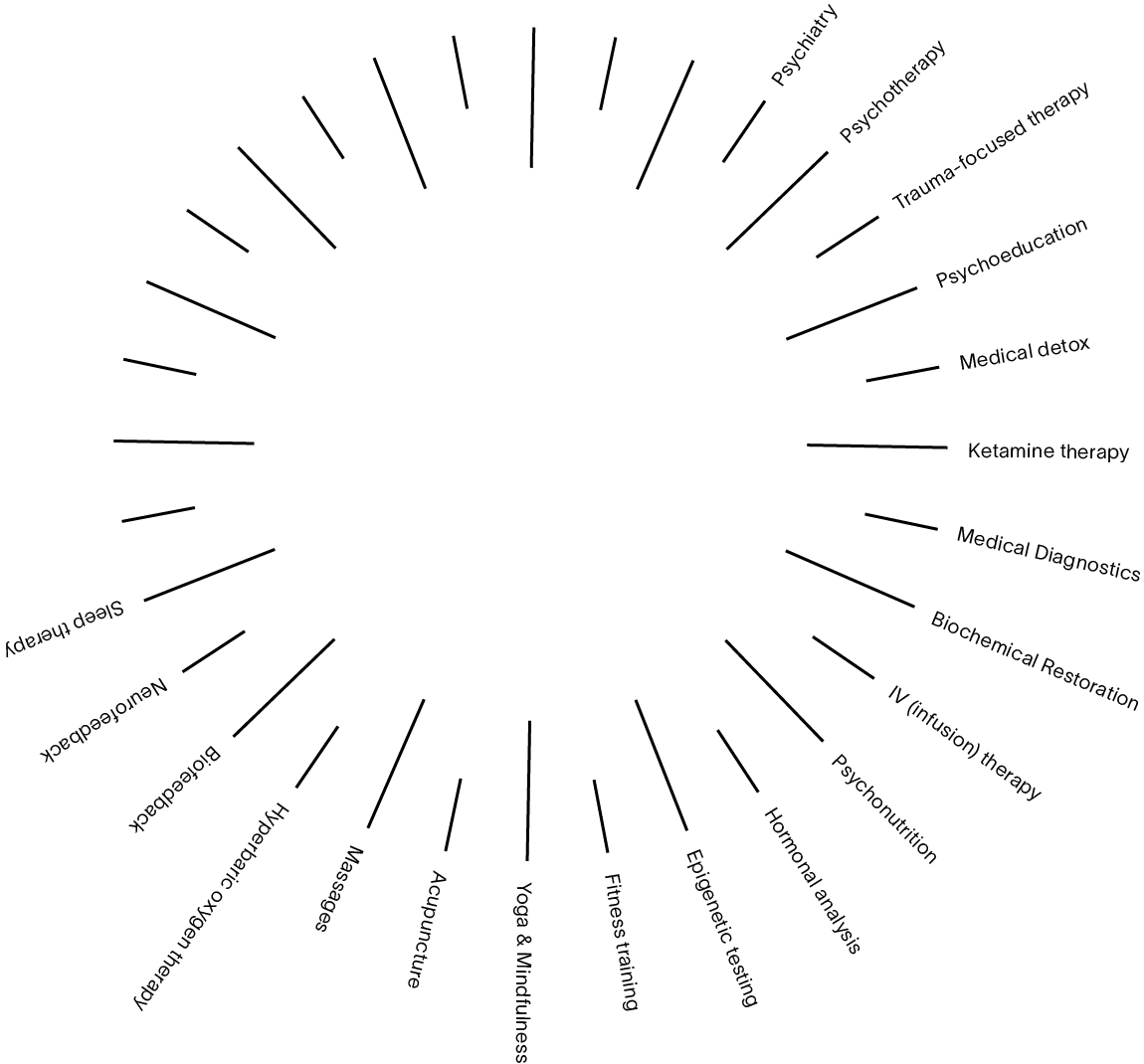
At the heart of your postpartum treatment programme is intensive one-to-one psychotherapy, several sessions a day, with a live-in therapist available around the clock. This is complemented by trauma-focused therapy and EMDR, specialist treatment for intrusive thoughts and postnatal OCD, and gentle, paced support for bonding with your baby.
Pregnancy and birth can leave a woman depleted at a cellular level. Alongside the emotional work, we treat sleep restoration as a clinical priority and support hormonal recalibration, thyroid treatment, nutrition, and postnatal physical recovery, so that body and mind heal together.
A new baby changes every relationship in a household at once. Partner coaching, couples sessions and family transition therapy support everyone around you. A lactation specialist, night nurse and postpartum doula take on the practical load, so that you can rest and recover.



15+ team members, all dedicated to your health and well-being
Our team is made up of world-renowned doctors, specialist therapists, and specialists, including a Nobel Prize-winning board member. This dedicated team of more than 15 professionals will support you during your entire stay with us. A live-in therapist will also be available to provide guidance, reassurance, and a consistent presence 24/7 from when you arrive to when you leave. In addition, you will have a dedicated psychiatrist who will manage your psychotherapeutic and medical care, ensuring the right balance of medication and treatment.
Comprehensive programmes as unique as you are
Where it is appropriate and desired, we support you alongside your baby and your partner (should you have one), so that you can recover without being separated from your child unless you wish to be. In-patient programmes typically last four to eight weeks, and your aftercare plan is built around your baby’s expected developmental and sleep transitions. For women who are still expecting, our Prenatal Programme puts support in place well before the baby arrives. We can provide treatment for postpartum depression & any co-occurring mental health conditions at our private treatment centre in Zurich.


FURTHER READING