WHAT WE TREAT
Complex post-traumatic stress disorder (CPTSD) is a challenging and multifaceted mental health condition. At Paracelsus Recovery, our programmes integrate the latest psychotherapeutic and medical approaches to support healing from the inside out.
We understand the distinct challenges CPTSD presents and how debilitating it can be to live with. By combining comprehensive diagnostics and highly personalised care, our 360° approach ensures you receive the focused support needed for long-lasting recovery.

C-PTSD, sometimes referred to as c-PTSD, is a type of PTSD that develops as a result of long-term or recurring traumatic experiences such as childhood abuse or neglect, sexual abuse, or war. Experiencing trauma at a young age, particularly when caused by someone close to you whom you trusted, can increase the likelihood of developing CPTSD. As with PTSD, the fear and distress that follow the traumatic event continue to affect you long after it has passed. What makes CPTSD complex are the additional symptoms: those with CPTSD often struggle to manage emotions and trust others, and may experience persistent feelings of worthlessness and guilt, particularly in relation to the trauma they have endured.
As a result of a disrupted sense of self-worth, lack of trust, and emotional dysregulation, those with CPTSD often struggle with relationships and find it difficult to experience positive emotions. There may also be a sense of detachment from themselves, others, and the world around them. Reliving the trauma through nightmares and flashbacks, alongside being in a constant state of heightened alertness, are also common.
Understandably, CPTSD can have a profound impact on daily life. Suicidal ideation is not uncommon, nor is self-harm or the use of drugs and/or alcohol as a way of coping. Research also shows that CPTSD is often associated with related mental health conditions, including depression, anxiety, borderline personality disorder, and dissociation.
CPTSD affects the whole person, with symptoms that are mental, emotional, and physical. These symptoms may emerge at the time of the trauma or develop months, or even years, later. While CPTSD includes the core symptoms of PTSD, it is also characterised by the following additional symptoms:
- A negative sense of self: feeling worthless, ashamed, guilty and a sense of failure.
- Feeling strong emotions and having difficulty managing them; being emotionally reactive to negative emotional stimuli (affective dysregulation).
- Severely struggling to trust others and maintain healthy relationships, such as being in abusive relationships, having trouble keeping friends and partners or avoiding relationships altogether.
Additional PTSD symptoms include:
Re-experiencing symptoms or reliving the traumatic event:
- Intrusive, upsetting thoughts and memories.
- Flashbacks or reliving the event.
- Nightmares of the traumatic event or other frightening things.
- Intense distress brought about by reminders of the traumatic event.
- Strong physical reactions to reminders of the trauma such as nausea, rapid heartbeat, shortness of breath, muscle tension or sweating.
Avoidance of events that trigger memories of the trauma:
- Avoidance of places, activities, feelings or thoughts that remind you of the traumatic event, such as large crowds or frightening movies.
- Forgetting certain aspects of the traumatic event.
- Loss of enjoyment in certain activities and loss of interest in life in general.
- Feelings of emotional numbness or detachment.
- A feeling that the future is hopeless or that life may be short.
Anxiety:
- Difficulty falling asleep or staying asleep.
- Feelings of anger, resentment or hostility.
- Lack of attention or concentration.
- Feelings of being constantly aware and on alert (hyper-vigilance).
- Feeling jumpy or jittery.
Bespoke treatment
How we treat CPTSD
We can’t tell you exactly what your four-week stay will involve because each patient’s journey with CPTSD is unique. At Paracelsus Recovery, we create a bespoke treatment plan for every individual. There is no pre-defined path. Each day is structured with a range of carefully selected therapies designed specifically to help address the complexities of CPTSD.
These therapies are thoughtfully coordinated to complement one another, ensuring that every aspect of your physical, emotional, and psychological health is addressed. See below for more details.
Our approach considers the whole person: mind, body and soul
CPTSD impacts every area of our health, from physical wellbeing and cellular stress to our psychological sense of safety and emotional sense of stability. That is why treatment for CPTSD is holistic, centred on three pillars that work together: intensive psychotherapy, mind/body-oriented therapies, and biochemical restoration.
Each treatment plan is based on extensive testing to identify the exact therapies needed and uncover any underlying physical, medical, or psychological factors that require attention. Our CPTSD treatment includes intensive trauma-focused therapies such as eye movement desensitisation reprocessing (EMDR) and cognitive behaviour therapy (CBT), designed to help process and resolve deep-seated emotional wounds. Depending on your circumstances, this may include a range of cutting-edge psychotherapeutic techniques, such as pychedelic-assisted therapy.
We also address the physiological impact of trauma through biochemical restoration, stress management techniques, and mind-body therapies. These therapies work together to ensure that every aspect of your physical, emotional, and psychological health is addressed. In some cases, we may prescribe medication.
Your bespoke treatment plan is designed to stabilise your nervous system, rebuild a deep sense of safety and regain control of your life.

15+ team members, all dedicated to your health and well-being
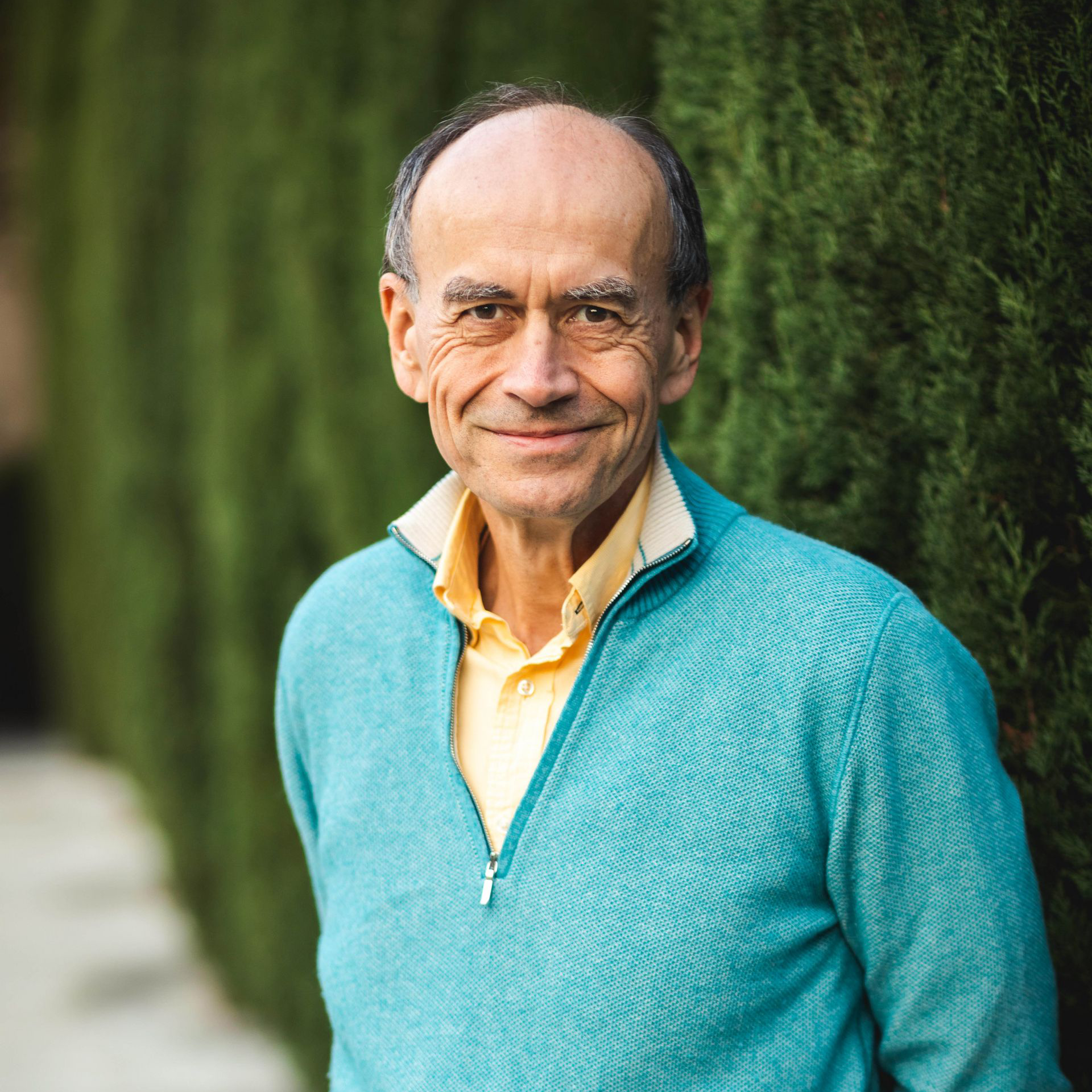
You will be in the best possible hands throughout your stay with us. Our team is made up of world-renowned doctors, therapists and trauma specialists, including a Nobel Prize-winning board member. During your stay with us, a team of more than 15 experts will be dedicated solely to you and your health. This includes a personal psychiatrist, medical doctor, client relations team, and a live-in therapist who will be available for emotional support and therapeutic assistance 24 hours a day, 7 days a week.
Comprehensive programmes as unique as you are
We carefully curate a holistic CPTSD treatment programme to suit your specific needs. Each programme is delivered by a team of experts who are dedicated to helping you re-discover your stolen sense of safety and wellbeing.
We provide treatment for CPTSD at our PTSD treatment facility in Zurich.


FURTHER READING